
Warming temperatures are driving Artic Greening
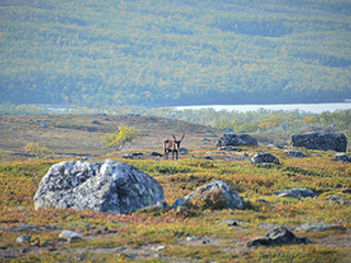
As Arctic summers warm, northern landscapes change. A new study finds as the region has experienced warmer air and soil temperatures, the tundra has become greener. This affects local people and wildlife and may thaw permafrost, releasing greenhouse gases.
Pinpointing tropical forest with high ecological 'Quality'

This year’s Arctic sea ice cover shrank to the second lowest extent since modern record-keeping began in the late 1970s, at 1.44 million square miles (3.74 million square kilometers).
NASA study maps the roots of Global Mangrove Loss
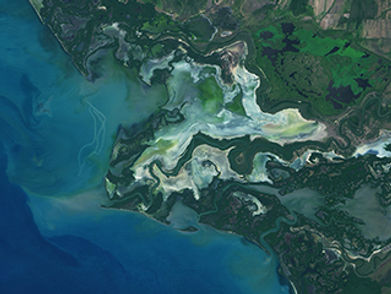
Researchers have created the first map of the causes of global mangrove habitat change between 2000 and 2016—a valuable tool to aid conservation efforts for these vital coastline defenders.
NASA Earth data power Energy saving decisions
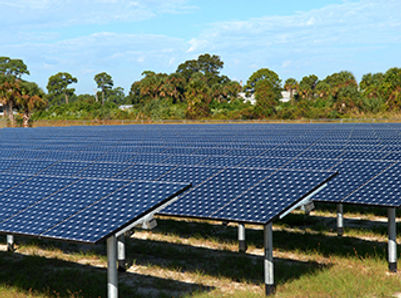
NASA data are being put to practical use by improving the energy efficiency of buildings and siting renewable energy technology, like wind turbines and solar panels.
2020 Artic sea ice minimum at second lowest on Recor
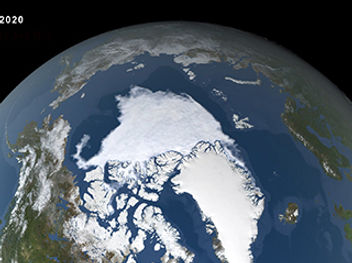
This year’s Arctic sea ice cover shrank to the second lowest extent since modern record-keeping began in the late 1970s, at 1.44 million square miles (3.74 million square kilometers).
Emissions could add 15 inches to sea level by 2100, NASA-led study finds
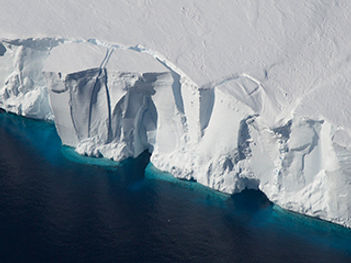
An international effort has generated new estimates of the impact Earth’s melting ice sheets could have on global sea levels by 2100.
NASA-led study reveals the causes of sea level rise since 1900
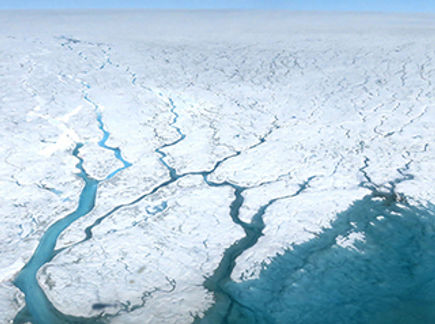
This year’s Arctic sea ice cover shrank to the second lowest extent since modern record-keeping began in the late 1970s, at 1.44 million square miles (3.74 million square kilometers).
NASA fosters innovative ways to understand biodiversity
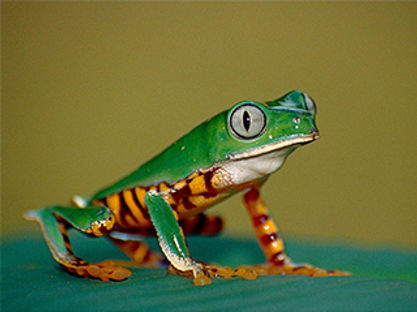
NASA has funded four projects to create virtual portals with biodiversity information for scientists, land managers and decision makers regarding the status of terrestrial ecosystems in a warming world.
Examining the viability of planting trees to help mitigate climate change
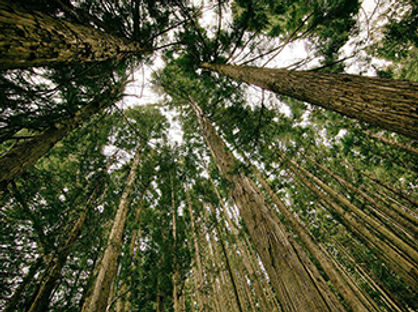
A recent study estimates the global potential of restoring forested lands as a possible strategy for mitigating climate change.
NASA funds eight new projects exploring connections between the environment and Covid-19
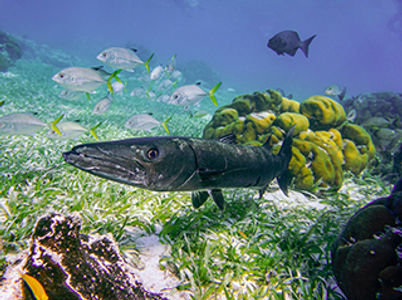
Researchers were recently awarded rapid-turnaround project grants to explore how COVID-19 stay-at-home measures are affecting the environment and how the environment is affecting the virus's spread.
NASA satellite data show air pollution decreases over Southwest U.S. cities
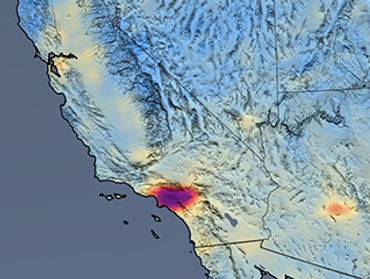
After California, Arizona and Nevada set mandatory stay-at-home restrictions to try to slow the spread of COVID-19, the Aura satellite observed decreased nitrogen dioxide levels over certain cities.
Study confirms climate models are getting future warming projections right

A new evaluation of global climate models used to project Earth's future global average surface temperature finds that most have been quite accurate.